
Mold and water damage in Fort Worth apartments: warning signs and your rights
By Sofia Delgado · Updated 2026-07-10
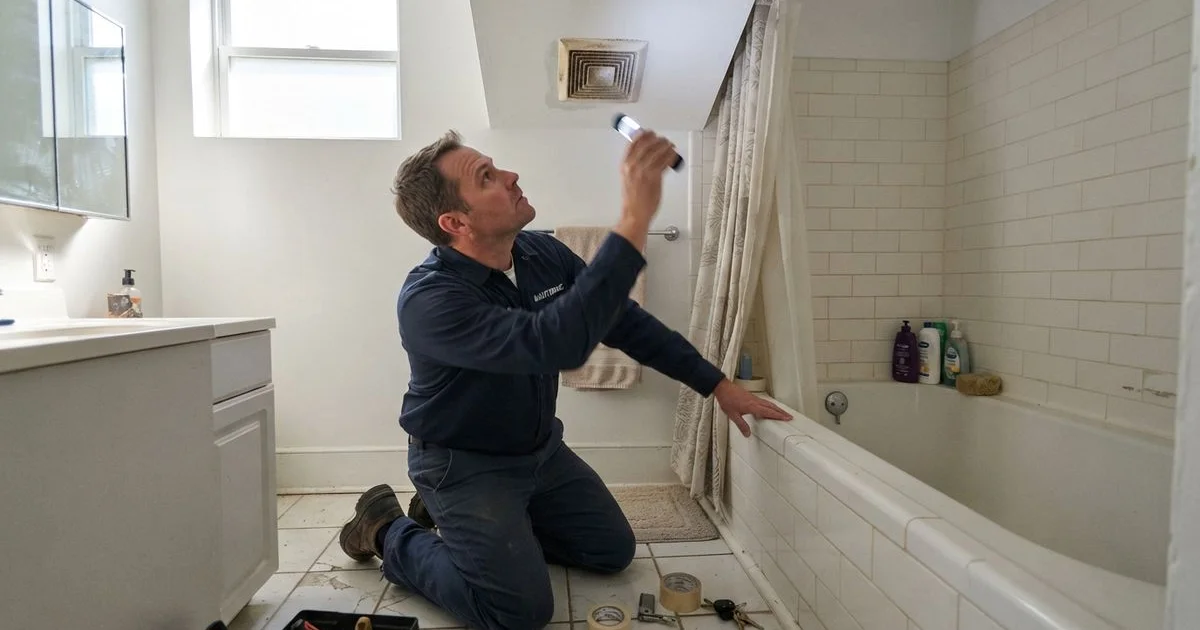
Mold and water damage are among the more serious issues that come up in Fort Worth apartment reviews, both because of the health implications and because they often point to an underlying maintenance problem that was not properly addressed. Here is what to look for before you sign, and what your rights are if you find a problem after moving in. This is general information, not legal or medical advice.
What to look for on a tour
Check under sinks, around windows, in bathroom corners, and near any visible plumbing for discoloration, staining, or a musty smell. A musty odor without visible staining can still indicate hidden moisture behind walls or under flooring. Pay particular attention to ground-floor units and any unit that has had recent water damage repairs, since a quick paint job can mask an underlying issue that was not fully resolved.
Common warning signs
| Sign | What it may indicate |
|---|---|
| Musty or earthy smell | Possible hidden moisture or mold, even without visible staining |
| Discolored ceiling or wall patches | Past or ongoing leak |
| Peeling paint or bubbling drywall | Moisture trapped behind the surface |
| Visible dark or green-black spotting | Active mold growth requiring professional remediation |
| Recent fresh paint in one isolated area | Sometimes covers a previously repaired water issue, worth asking about directly |
What a landlord is generally responsible for
Under Texas law, a landlord has a duty to repair conditions that materially affect a tenant’s health or safety after receiving proper written notice. Significant mold growth or an unaddressed water intrusion issue typically falls under that duty. The specific remedy process, including notice requirements and what happens if a landlord fails to act, is defined in the Texas Property Code, so a documented, timely report matters if you need to pursue further steps.
Asking about a unit’s repair history before you sign
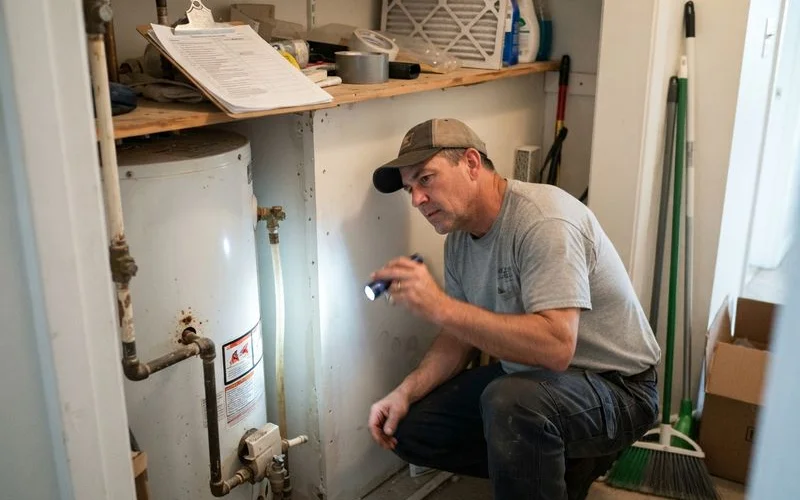
It is reasonable to ask a leasing agent directly whether a specific unit has had any prior water damage or mold remediation, and most will answer honestly if pressed, since it is a matter of record in maintenance logs. If a unit was recently renovated after damage, ask what caused the original issue and what specifically was done to fix the underlying cause, not just the cosmetic repair. A property that answers this clearly and confidently is generally a better sign than one that deflects the question entirely.
What to do if you find a problem after moving in
Document it immediately with photos, note the location and extent, and submit a written request through the resident portal or email the same day. Ask specifically what remediation steps will be taken, not just whether someone will “look at it.” If the response is inadequate or the problem returns after treatment, follow up in writing again and keep a full record of every communication.
When to be more cautious
Recurring mold in the same spot despite prior treatment, a musty smell that persists after cleaning, or visible water intrusion during or after rain are signs the underlying cause, not just the surface symptom, has not been fixed. If you or a family member has asthma or mold sensitivity, treat these signs more seriously and consider asking for documentation of any prior remediation work before signing.
Reading reviews with this in mind
Mold and water damage complaints show up often enough in resident feedback to be worth a specific search through recent reviews before you tour a property seriously. We weigh this kind of recent, health-relevant sentiment into every score we publish. See how on our methodology page. Pest issues follow a similar pattern of landlord responsibility; see our guide on pest and roach problems in Fort Worth apartments for what to expect there too.
The role of ventilation and everyday habits
Not every mold risk traces back to a building defect. Poor bathroom ventilation, a rarely used exhaust fan, or consistently high indoor humidity during Texas summers can contribute to conditions where mold develops even in a well-maintained unit. Running the bathroom fan during and after showers, wiping down visibly wet surfaces, and reporting a malfunctioning exhaust fan promptly are reasonable steps on your end. That said, a resident doing everything right and still facing recurring mold points squarely back to a structural or plumbing issue that is the property’s responsibility to fix, not yours to manage around indefinitely.
Where to start
Browse our full directory of scored Greater Fort Worth communities, and pay close attention to recent reviews mentioning maintenance responsiveness and water or mold issues specifically before you commit to a lease.
FAQ
- Is a landlord required to fix mold in Texas?
- A landlord generally must make a diligent effort to repair conditions that materially affect health and safety, and toxic or significant mold growth typically falls under that duty. This is general information, not legal or medical advice.
- How do I report a mold problem correctly?
- Submit a written request through the resident portal or email, with photos, and keep a copy. A documented, timely report is important if the issue does not get resolved quickly.
- Can mold affect my health?
- Mold exposure can cause allergic or respiratory symptoms in some people, particularly those with asthma or allergies, though severity varies widely. This is general information, not medical advice. Consult a healthcare provider if you have health concerns related to mold exposure.
- What if a unit has water stains but no visible mold?
- Water stains often indicate a past or ongoing leak that could develop into mold if not properly addressed. Ask directly what caused the stain and whether the underlying issue was actually fixed, not just painted over.