
Pest and roach problems in Fort Worth apartments: what to know before you sign
By Sofia Delgado · Updated 2026-06-12
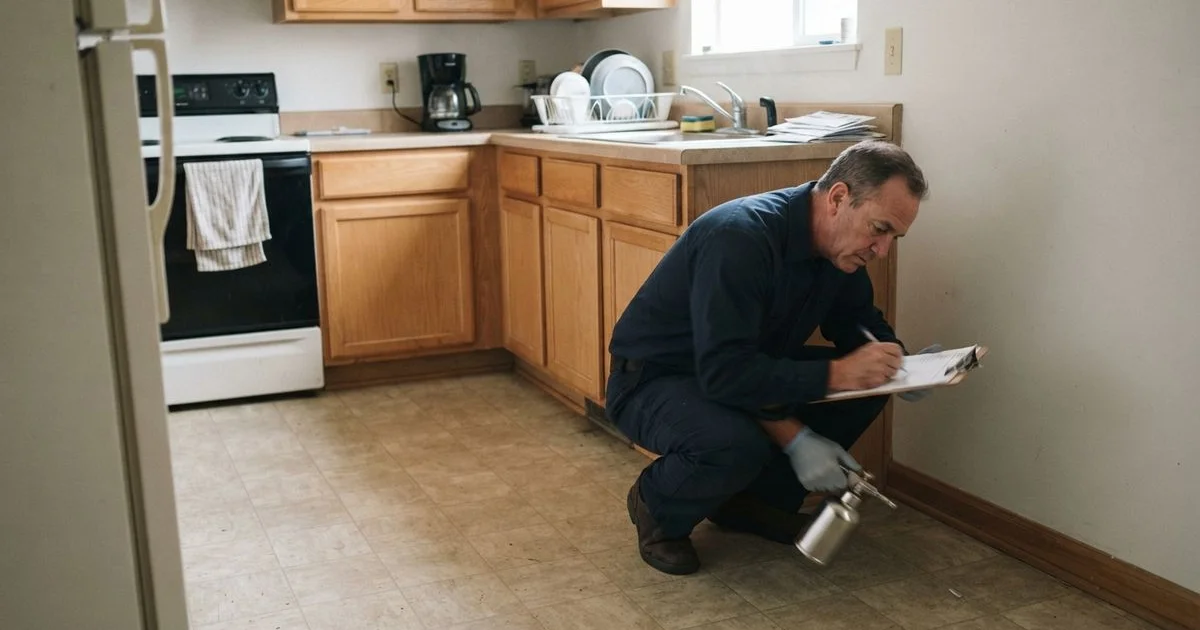
Pest problems, roaches especially, come up in Fort Worth apartment reviews more often than almost any other maintenance complaint. That does not mean every community has an infestation. It means the topic is worth understanding before you sign, not after you have already moved boxes in. This is general information, not pest-control or legal advice, and it is worth confirming specifics with the property and, if needed, a tenant rights resource.
Why this comes up so often here
Texas heat and humidity create ideal conditions for roaches, ants, and other pests, especially near tree lines, dumpsters, and older plumbing. Ground-floor units and buildings with shared walls or older construction tend to see more reports than newer, elevated construction. None of that means an older or ground-floor unit is a bad choice, but it does mean pest prevention becomes a more relevant question on your tour.
What a property is actually responsible for
Under Texas law, a landlord has a duty to keep the property in a condition that does not endanger a tenant’s health or safety, and a serious pest infestation generally falls under that standard. In practice, most well-run communities handle this through scheduled preventive treatment across the whole building rather than waiting for individual complaints to pile up.
| Responsibility | Typically the property’s job | Typically the resident’s job |
|---|---|---|
| Building-wide preventive treatment | Yes | No |
| Sealing cracks and entry points | Yes | No |
| Reporting a new infestation promptly | No | Yes |
| Keeping food sealed and trash out regularly | No | Yes |
| Follow-up treatment after a report | Yes | No |
Questions to ask before you sign
Ask the leasing office directly whether the community does scheduled preventive pest treatment, how often, and whether it is included in the resident benefits package or billed separately. Ask what happens if you report a problem: does an in-house team handle it, or does a licensed exterminator come out, and how fast. A leasing agent who can answer specifically is a good sign. A vague “we handle it if it comes up” is worth following up on.
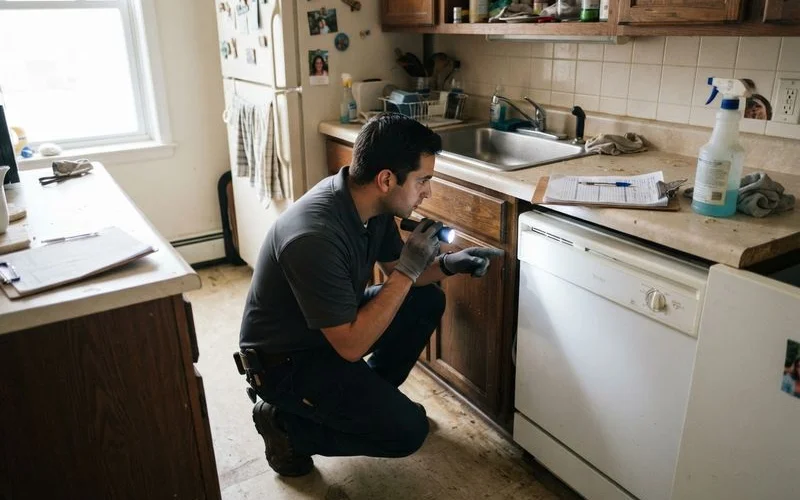
What to do if you already have a problem
Document the issue with photos and submit a written request through the resident portal or email the same day you notice it, not after it gets worse. Texas law generally requires giving the landlord notice and a reasonable chance to fix a condition before pursuing further remedies, so a documented, timely report protects you if the issue drags on. If treatment does not resolve the problem after a couple of attempts, ask in writing for a plan, and keep records of every request and response.
Reading between the lines on reviews
Recent reviews are more useful here than old ones, since pest issues often trace back to a specific building or a change in on-site management rather than the entire company. A cluster of recent complaints about the same issue is a stronger signal than a single review from two years ago. Our scores weigh recency alongside sentiment for exactly this reason. See how that works on our methodology page. Mold and water intrusion follow a similar pattern in reviews; see our guide on mold and water damage warning signs if that is also a concern.
What you can reasonably do yourself
Keeping food sealed, taking trash out regularly, and reporting any sighting early rather than waiting for it to become a bigger problem all genuinely help, even at a property with strong preventive treatment. Clutter, especially cardboard boxes left around after a move, gives pests places to hide and breed, so breaking down and removing moving boxes promptly is worth the small effort. None of this substitutes for the property doing its part, but it does reduce how often you personally run into an issue.
The bottom line
A pest mention in reviews is not automatically a dealbreaker, most large apartment communities deal with this at some scale given the climate here. What matters is whether the property treats it proactively and responds quickly when residents report it. Ask direct questions on your tour, read recent reviews carefully, and browse our full directory of scored Greater Fort Worth communities to compare how different properties handle it.
FAQ
- Is pest control the landlord's responsibility in Texas?
- Generally yes, under the Texas Property Code a landlord must make a diligent effort to repair conditions that materially affect health and safety, and an active infestation typically falls under that duty. Specific lease terms still matter, so read yours carefully.
- How common are roach complaints in Fort Worth apartments?
- It is one of the most frequently mentioned issues across resident reviews in this market, more common in older garden-style buildings and ground-floor units than in newer high-rise construction.
- Does a resident benefits package usually include pest control?
- Many do include routine quarterly treatment, but that is not universal. Ask the leasing office directly whether pest control is included and how often units are treated.
- What should I do if I move in and find a pest problem?
- Document it with photos and a written request through the resident portal right away, and follow up if nothing happens within a reasonable window. A paper trail matters if the issue continues.